When I clicked the link, I was hoping this was going to be a story about a pinball wizard in "The Who" sense of the word, but this was a great read!
I've always been into pinball since a young age (I imagine I was interested because of noticing my parents preference at arcades in the 80s/90s---and the shorter lines). Over the past 4 years, I've gotten into pinball in a bigger way, taking a few blocks of serious study on machines in Local Boston and Berlin bars.
I've always felt that digital pinball implementations were a kind of arcade game that had little to do with traditional pinball. While they may converge with the advent of VR, I think pinball and digital pinball in the past are two different games; this has been highlighted a couple times I would tell friends about how I've been playing a lot of pinball recently and when they would join me at a bar with a machine some would be surprised I was not talking about a video game.
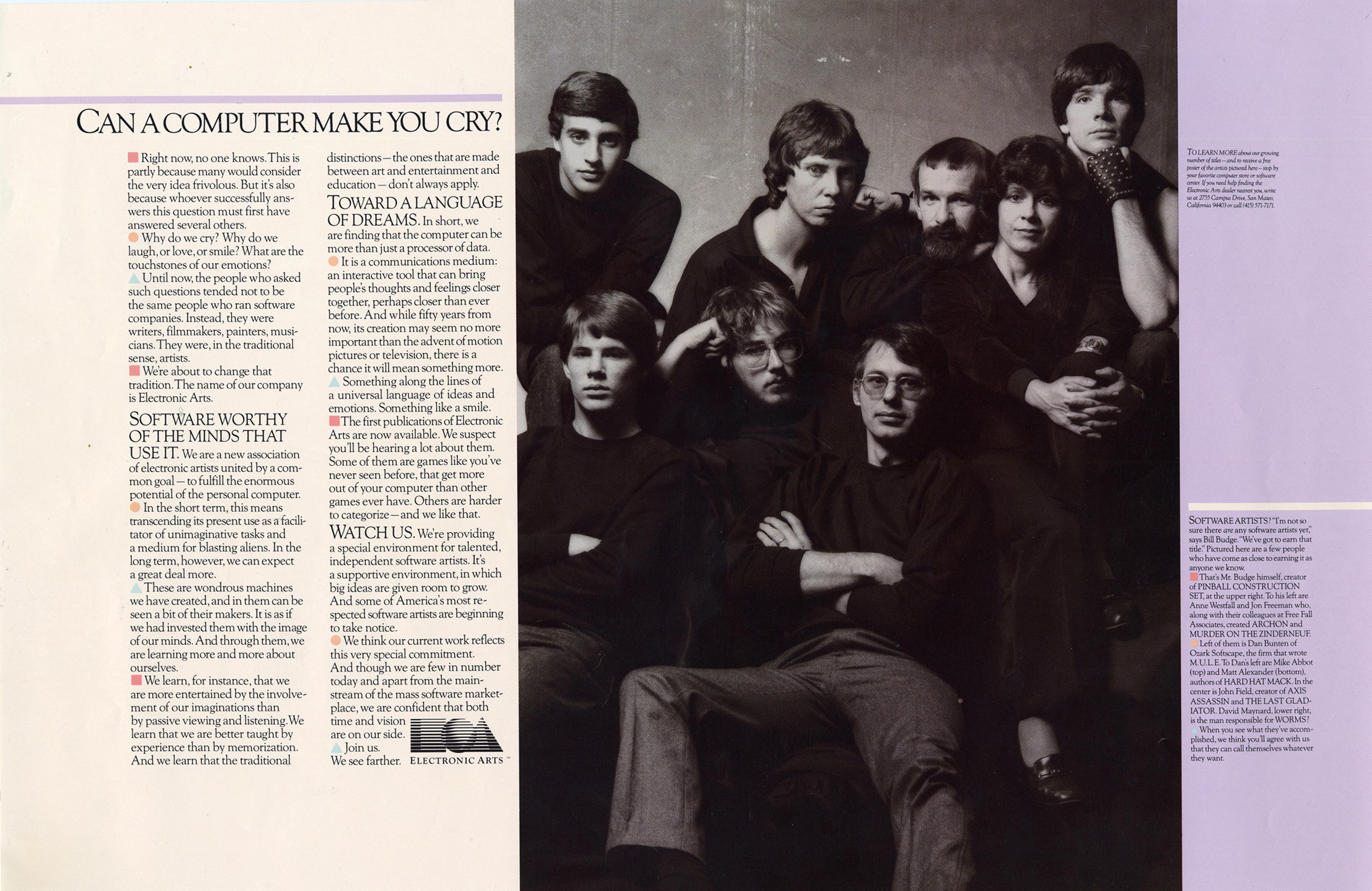
> Budge didn’t find pinball intrinsically all that much more interesting than he did purely electronic arcade games.
I guess my observations about pinball and digital pinball can be traced back to Budge and Raster Pinball, as from this article, it seems like pinball was just another 'electronic arcade game' to Budge.
> “They were students of the game, talking about catches, and how to pass the ball from flipper to flipper, and they really got into it.”
Maybe someday I'll get to run a startup with a pinball culture ;)
I miss the days when people talked about the creative potential of computers like that. It feels like modern computing has lost a lot of that optimism.
This site is really great for people interesting in gaming history. Another of my favorites is The Golden Age Arcade Historian http://allincolorforaquarter.blogspot.com/
although he hasn't updated since November so I wonder if he's given up on it or something happened to him.
I really enjoyed this blog too. Lots of detailed stuff on very obscure corners of the coin-op industry that have (almost) been lost to the sands of time. The series on Allied/Centuri was really awesome, especially when he uncovers how Namco created Dig Dug by pretty much stealing Centauri's The Pit (oh yeah, and it was programmed by the Stamper brothers!)
I contributed some material about the 1982 Bally/Midway TRON tournament and he did a really nice job with how he handled that stuff.
This isn't quite the correct link -- this is a link to that day of posts, which happens to contain only one post. But the actual link to the post would be http://www.filfre.net/2013/02/the-pinball-wizard/
I loved Raster Blaster as a kid, and for its time it was an amazing piece of programming for the Apple ][. Budge is a personal inspiration of mine.
Although I kind of wish people would acknowledge that Raster Blaster's playfield design was directly copied from Firepower, a Williams Electronics game from 1980 designed by Steve Ritchie and Eugene Jarvis.
Pinball on the PC is a fool's errand. The screen is too small to convey the ball motion. However, companies that are adding computer displays to pinball machines, are finding some success: http://www.jerseyjackpinball.com/the-hobbit/
Pinball in VR is surprisingly immersive. It's a much better simulation of playing pinball in real life, plus you can press your face to the "glass" to see the fine details of the playfield.
Not being able to look at the ball/table is a key part of pinball I find missing from the digital experience, and while VR takes care of this I think I would still miss the physical experience of the controller.
I see someone made a pinball table controller to use with Oculus as soon as it came out[1]; this controller doesn't look heavy enough to have fun tilting properly, but it certainly got me excited to try some VR pinball.
Yup, I've tried Pinball Fx2 on the Rift. It's certainly not the same as real-life pinball, but I enjoy being able to look around the whole table rather than the camera automatically panning where it thinks I want to look.
It's obviously not the same as a real pin; I've yet to find a PC game that simulates nudging to my satisfaction.
One interesting data point is that my 10 year old son is more interested VR pinball than either regular PC pinball or real life pinball. I think it's because of:
- the novelty of VR
- the animations on and around the table (these can be either fun or distracting)
- the tables are easy for a beginner
- the fact he's taller in VR. At an arcade he's either not tall enough or has to stand on a stool, but in VR he can look down on the table as if he's 6 feet tall.
Pinball Arcade is working on VR version, so I'm interested to see their take on it. They mentioned it in passing for their AC/DC table kickstarter (since cancelled but still under development).


Some of you kids might not recognize the reference in the article's title to the "Pinball Wizard" song by The Who, unless you're into classic rock.
There is a computer-science themed parody of this somewhere:
See "UNIX Wizard" right at the top here: http://persephone.cps.unizar.es/textos/unix-songs.txt
If that URL doesn't work for you, Future Visitor, just google for "ever since I was a young boy, I've hacked the arpa net" in quotes.