I bought a badger2040 recently. I mainly wanted it for the ebook feature. A pocket-sized eInk device could make reading throughout the day so easy. I used to always have a paper book in my back pocket before phones.
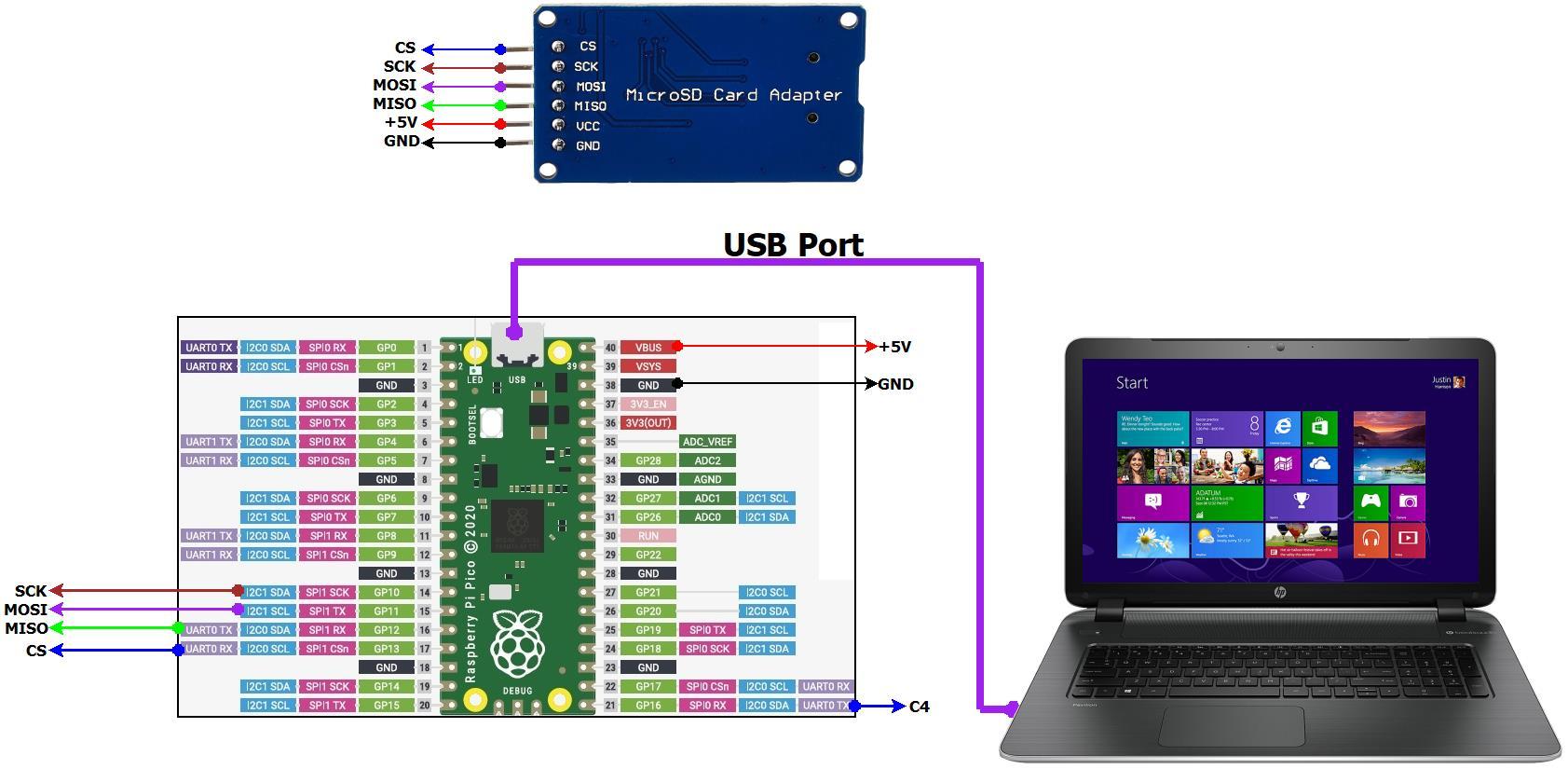
Anyway, it's a great device with one small caveat. None of the GPIO pins are exposed, the only IO is buttons, usbc or a QT/Stemma connector. This would all be fine by me, except that there is only about 1mg of free space on the device. Doing any serious reading would require me to use external memory and without GPIO I can't do that. Making a few pins accessible would make attaching an SD card completely trivial.
If you look at the back of the badger you'll see that we put a set of pads to solder to for GPIO!
It also has a "Qw/ST" connector (STEMMA + Qwiic) that exposes an I2C bus so is ideal for adding sensors, or you could bash on an IO expander for a heap more pins!


Anyway, it's a great device with one small caveat. None of the GPIO pins are exposed, the only IO is buttons, usbc or a QT/Stemma connector. This would all be fine by me, except that there is only about 1mg of free space on the device. Doing any serious reading would require me to use external memory and without GPIO I can't do that. Making a few pins accessible would make attaching an SD card completely trivial.